
Introduction: Lebanon’s Unique Religious Mosaic
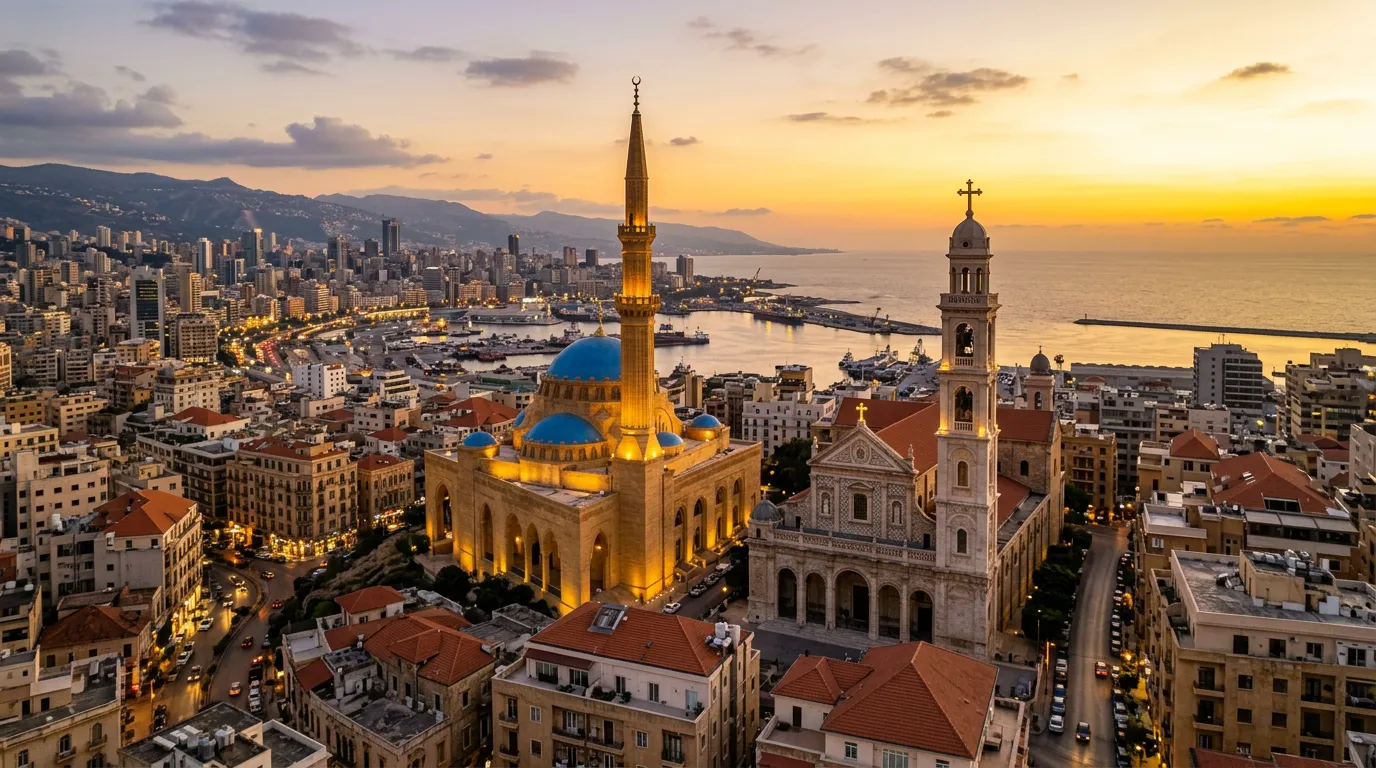
Eighteen. That is the magic, messy number of officially recognized religious sects calling Lebanon home, crowning it the undisputed king of diversity in the Middle East. This wild, jigsaw-like demographic setup literally runs the show, bleeding into everything from quiet moments of family life straight up to high-stakes political maneuvering.
You simply can’t “get” Lebanon without untangling this web. Seriously. As laid out in a rather eye-opening dive by Anera: What are the religions of Lebanon?, these factions aren’t just neighbors. They are the absolute bedrock of the state. The entire constitution leans heavily on confessionalism. In plain English? They slice up the political pie entirely based on your faith.
The Muslim Community: Shia, Sunni, and Alawite Populations
Take the Muslim community, which currently claims the lion’s share of the population pie. It’s mostly a stark split between Sunni and Shia believers, sprinkled with a much quieter Alawite footprint. Combined, their cultural gravity and political muscle? Massive.
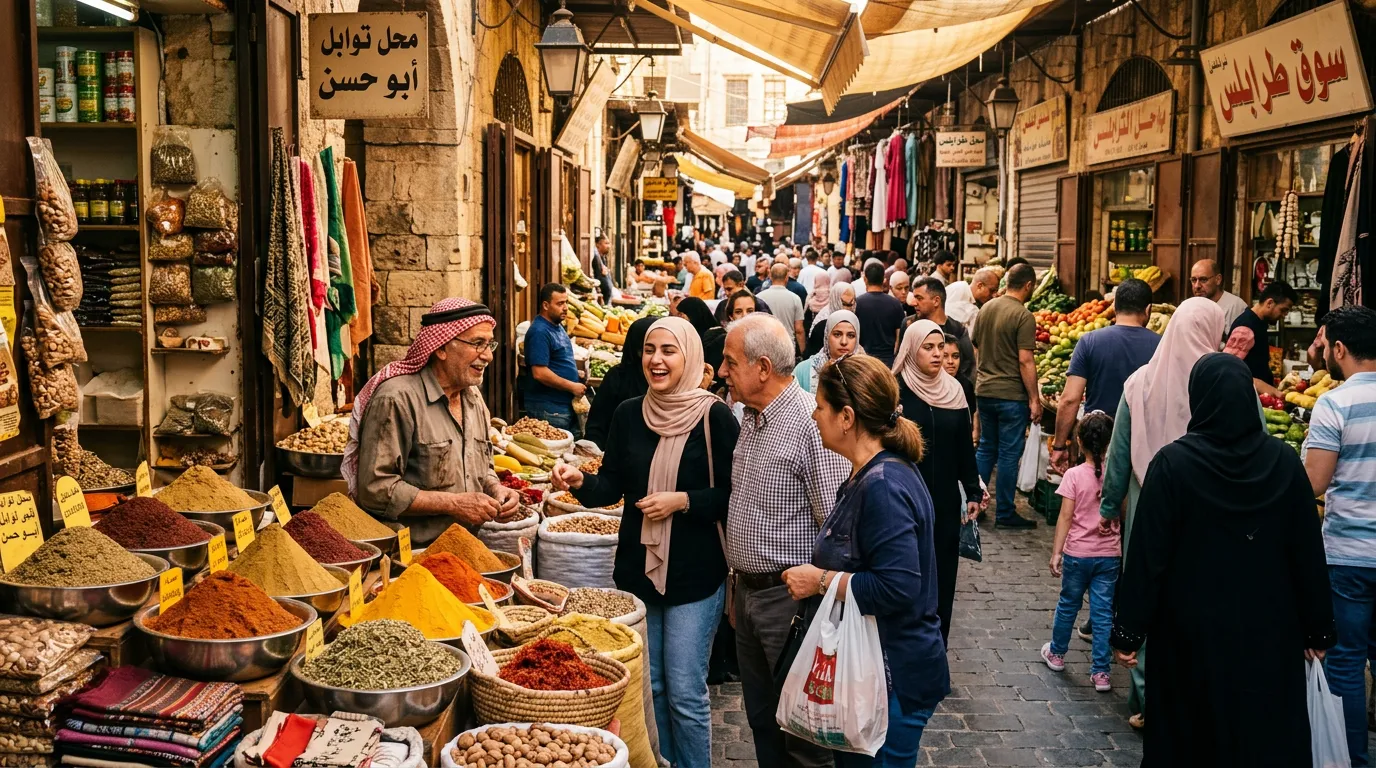
These Islamic sects aren’t just informal groupings. They are officially baked into the system, operating their own distinct religious courts. Here is the breakdown of the major players:
- Sunni Muslims: You’ll usually find their historical roots planted deeply along the sun-baked coastlines of Beirut, Sidon, and Tripoli.
- Shia Muslims: They largely anchor the southern territories. The Bekaa Valley. The bustling southern suburbs of Beirut.
- Alawites: A rather modest Shia offshoot. They tend to cluster up north, hugging the areas near Tripoli.
- Ismailis: Tiny. Very tiny. But still firmly recognized on the official roster as a Shia minority.
Now, if you glance through the 2023 Report on International Religious Freedom: Lebanon, you start to see the gears turning. It shows exactly how these factions flex their rights and claim their seats at the table. For instance? The Prime Minister’s chair always goes to a Sunni. No exceptions. Meanwhile, a Shia Muslim permanently holds the gavel as Speaker of Parliament.
The Christian Denominations: Maronites, Greek Orthodox, and Minorities
Now let’s talk about the Christians. Lebanon holds the record for the highest concentration of Christians in the entire Middle East. And sitting at the very top of that ladder—both in sheer numbers and political clout—is the Maronite Catholic Church. But it’s not a monolith. The Christian footprint here is a deeply textured mix of ancient eastern traditions and western influences.
Because of their long-standing historical grip, the Lebanese presidency belongs exclusively to a Maronite Christian. That’s the deal. But look under that broader Christian canopy? It gets incredibly diverse.
- Maronite Catholics: The heavy hitters of the bunch. They’ve historically anchored themselves in the rocky, breathtaking elevations of Mount Lebanon.
- Greek Orthodox: Coming in second place size-wise, they carry a major presence in both Beirut and the olive-rich Koura District.
- Melkite Greek Catholics: A fascinating bunch. They fiercely guard their Eastern rites while still nodding to Rome.
- Armenian Apostolic: Born from resilient descendants of refugees escaping genocide, this community drives a massive chunk of Lebanese commerce today.
Oh, and the list goes on. You’ve got Syriac Orthodox, Assyrians, Chaldeans, Roman Catholics, Syriac Catholics, and a handful of Protestant groups. All recognized. All part of the story.
The Druze Faith: History and Influence in Mount Lebanon
Enter the Druze. They are a tightly knit, esoteric, monotheistic community. And despite their fairly modest headcount, they throw around a jaw-dropping amount of political weight. For centuries, they’ve claimed the dizzying heights of Mount Lebanon and the Chouf district as their absolute stronghold.
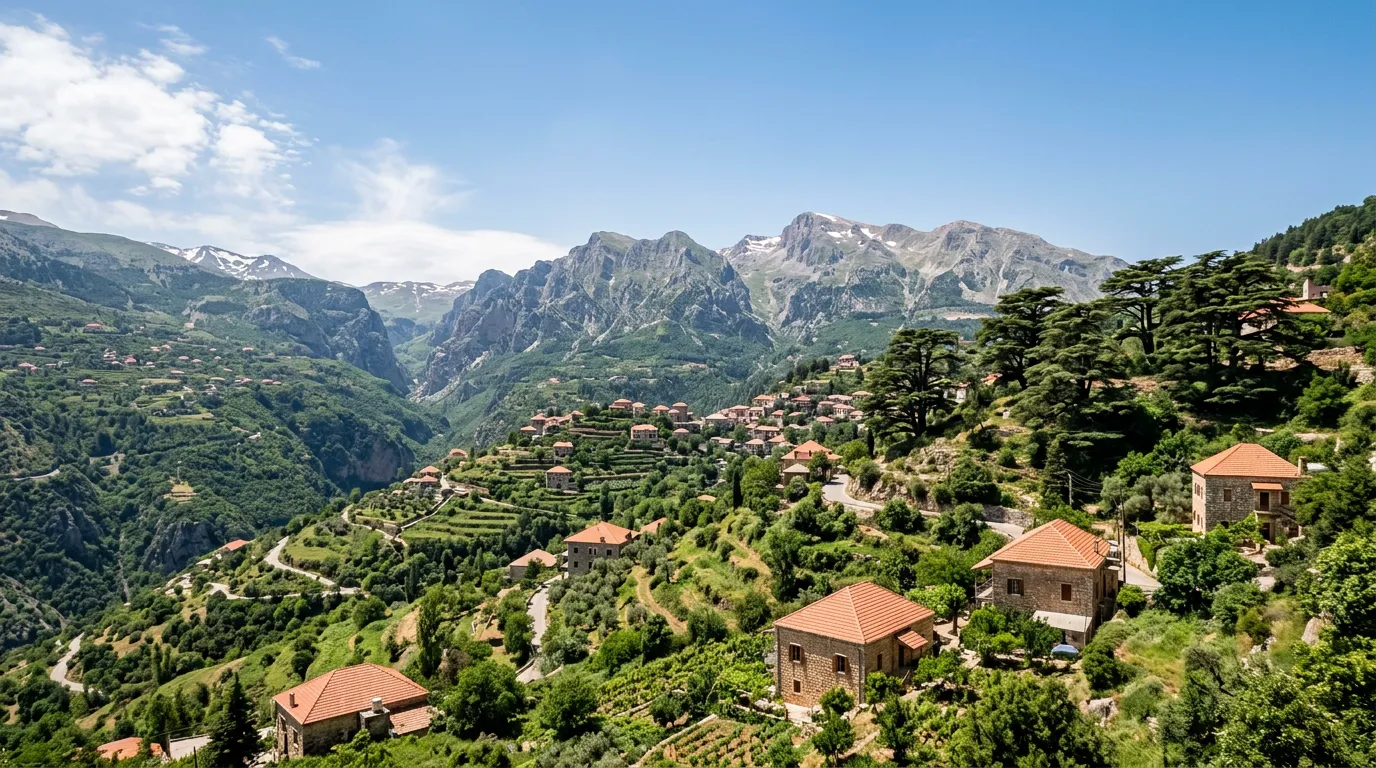
Where did they come from? The faith originally spun out of Ismaili Shia Islam back in the 11th century. But it quickly morphed into its own entirely unique beast. Think of it as a theological melting pot. A bit of Islamic mysticism here. A dash of Greek philosophy there. Even some subtle echoes of Hinduism.
Thanks to Lebanon’s hyper-specific power-sharing rules, the Druze never have to worry about being sidelined. They are guaranteed parliamentary seats and prime ministerial cabinet spots. Because they stick together—I mean, fiercely stick together—they’ve survived as legendary power brokers across every era of Lebanese history.
Other Minority Religions: From Judaism to the Baha’i Faith
Look past the big Islamic and Christian powerhouses, and you’ll find a smattering of other official faiths—Judaism included. Granted, the actual number of people practicing these faiths has plummeted to a whisper over the last few decades.
It wasn’t always that way. Beirut’s Wadi Abu Jamil neighborhood once hummed with a vibrant Jewish community. Today? Barely a shadow remains. Those who are left tend to keep their heads down. Still, the state refuses to erase them from the books. Judaism safely holds its spot as one of the sacred eighteen.
There are also almost microscopic communities drifting in the background, like the followers of the Baha’i faith. Sure, they don’t exactly move mountains in parliament. Yet, their quiet endurance adds beautiful, strange threads to the country’s famously complex cultural tapestry.
The Challenge of Demographics: Why There Hasn’t Been a Census Since 1932
Here is the craziest part: Lebanon hasn’t run an official national census since 1932. Why? Fear. Pure, unadulterated fear of upsetting the apple cart. The leaders know that if hard demographic data suddenly proved the population had shifted drastically, it would trigger immediate, violent demands to tear up the constitution and start over.
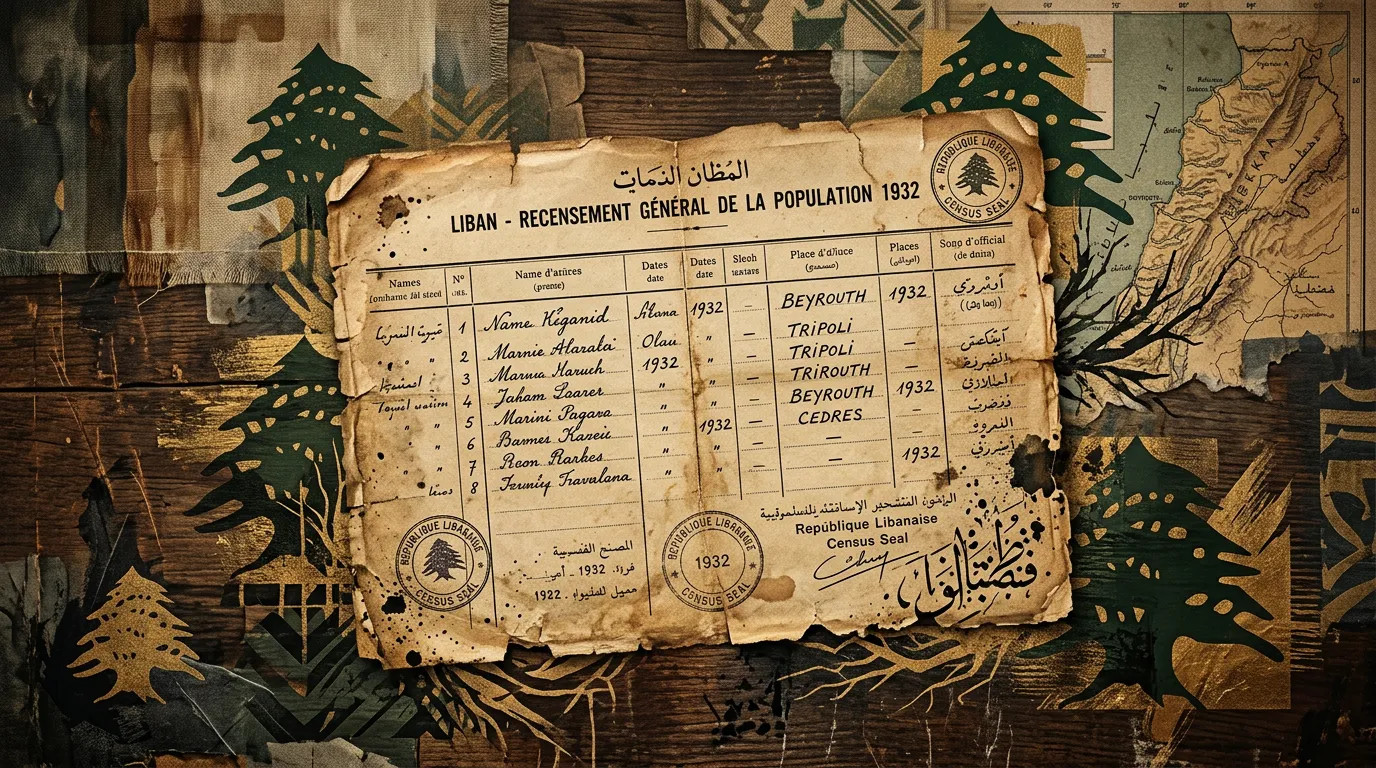
Back in 1932, the numbers revealed a razor-thin Christian majority. That single snapshot in time became the bedrock for the unwritten 1943 National Pact. Initially, it handed out parliamentary seats on a strict 6-to-5 ratio favoring Christians. Later, after a brutal civil war, the 1989 Taif Agreement forced an even 50-50 compromise.
Of course, reality on the ground looks vastly different today. If you poke around the CIA World Factbook: Lebanon, modern math strongly hints at a solid Muslim majority. But nobody in charge wants to officially count heads. It’s much safer to just pretend time stopped ninety years ago.
Conclusion: A Tapestry of Faiths in the Middle East
So, there you have it. Eighteen recognized faiths tangled up in a chaotic, beautiful web of tension, uneasy truces, and shared survival. You won’t find anything else quite like it in the region. It is the nation’s absolute crowning glory. And, paradoxically, its heaviest, most dangerous curse.
If you don’t grasp this demographic madness, you simply don’t get Lebanon. Yes, the whole confessional system promises everyone a seat. But it also carves deep, occasionally bleeding divides straight through the populace. Through it all, though, this dizzying collision of beliefs is exactly what fuels the country’s unbreakable, chaotic, and utterly resilient spirit.