
Fairuz is the voice that unites the Arab world every morning, transforming the daily commute or breakfast into a ritual of collective nostalgia and peace. Across the Middle East, from the bustle of Beirut to the quiet cafes of Amman, the day does not truly begin until her angelic vocals grace the airwaves.
This cultural phenomenon, known as Sabahiyat (morning things), transcends mere entertainment. It serves as a psychological anchor, grounding millions in a shared identity that rises above political turmoil and religious divides.
The Morning Ritual: Coffee, Newspapers, and Fairuz
For decades, the formula for an Arab morning has remained unchanged: a cup of cardamom-infused coffee, the morning news, and the songs of Nouhad Wadie’ Haddad, known globally as Fairuz. While pop music dominates the evenings, the morning hours are exclusively reserved for her distinctively calm, operatic folk songs.
Radio stations across the region tacitly agree to switch to her discography from dawn until noon. Fairuz – Wikipedia notes that this tradition has cemented her status not just as a singer, but as the timekeeper of the Arab day. Her voice acts as a gentle transition from the world of dreams to the harsh realities of the day.
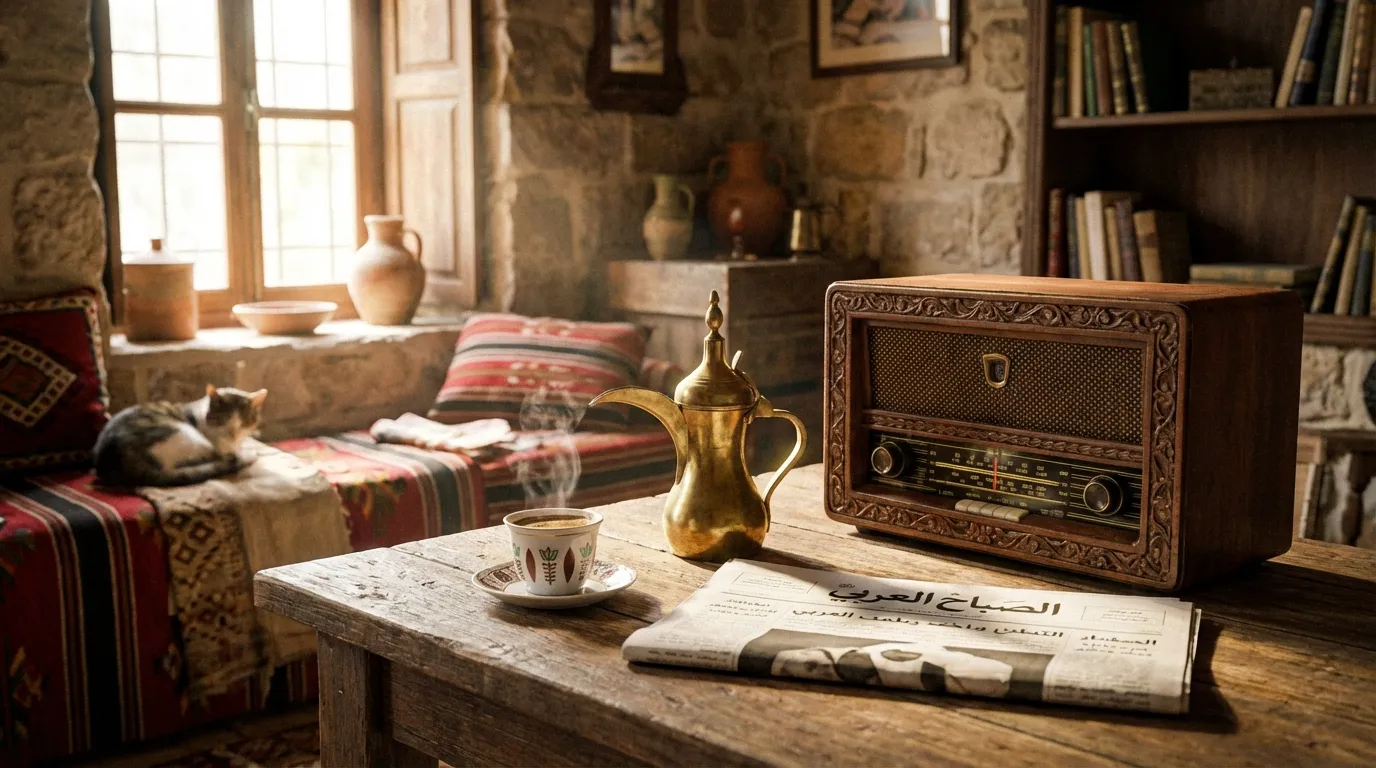
It is a sensory experience. The smell of roasting coffee beans is inextricably linked to songs like “Sabbah wa Massa” (Morning and Evening). This ritual provides a sense of continuity and stability, offering a serene buffer before the noise of the city takes over.
Psychology of Nostalgia: Constructing the ‘Village’ Life
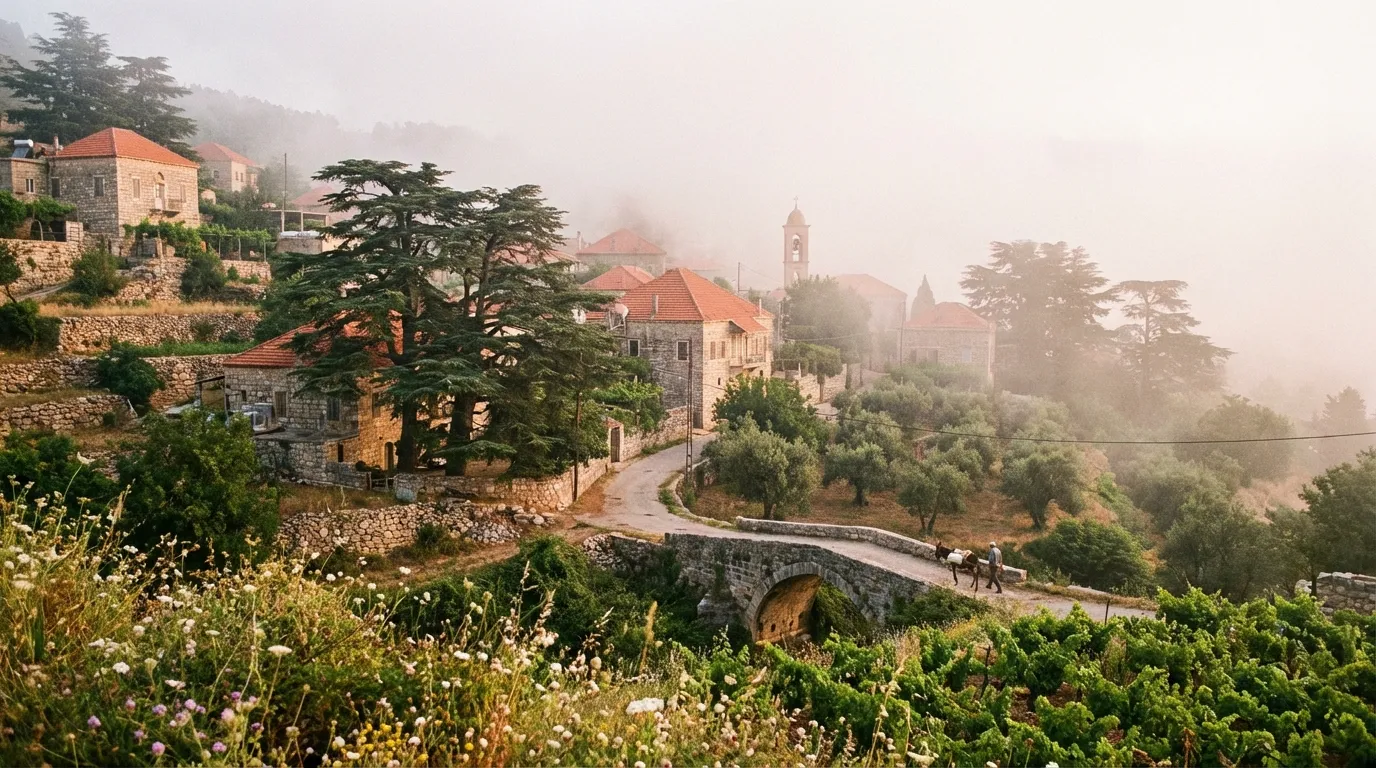
Fairuz’s music, largely composed by the Rahbani brothers, constructs an idealized version of rural life that appeals deeply to the urbanized Arab soul. Her songs paint pictures of moonlit evenings, simple village squares, and love stories whispered among the cedar trees. This is the psychology of restorative nostalgia at work.
Listeners aren’t just hearing music; they are visiting a “Lebanon” that perhaps never truly existed—a utopia of simplicity and harmony. For the diaspora and city dwellers alike, she represents the “dayaa” (village) they yearn for but can rarely return to.
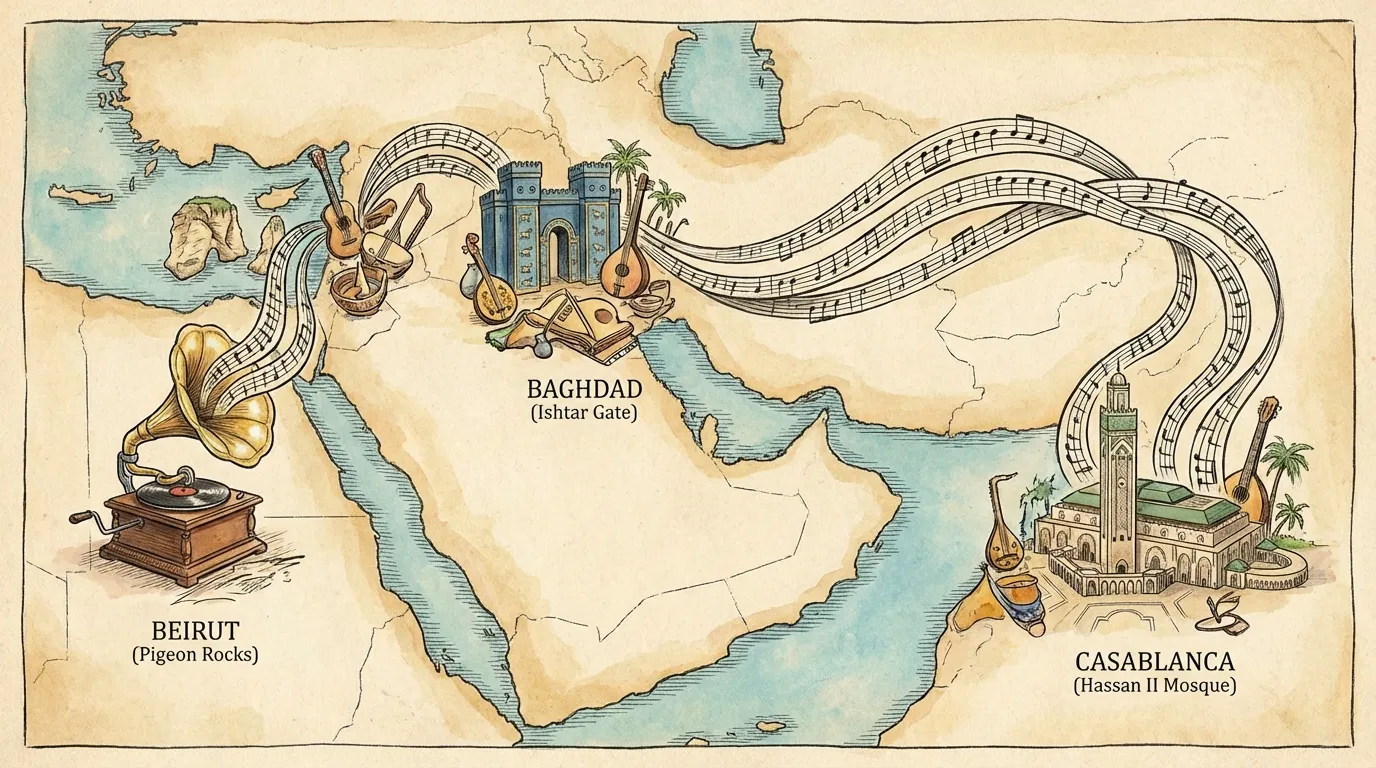
Transcending Borders: A Voice Loved from Baghdad to Casablanca
In a region often fractured by sectarian lines and geopolitical borders, Fairuz stands as a rare neutral figure. She famously refused to sing for specific political leaders during the Lebanese Civil War, choosing instead to sing for “Lebanon” as an entity. This decision allowed her to remain the enduring legacy of Fairuz – Al Jazeera describes—a unifying symbol.
Her appeal stretches far beyond Lebanese borders. In Syria, Jordan, Palestine, and Iraq, she is claimed as a daughter of the Levant. Her songs about Jerusalem (“Zahrat al-Mada’in”) and Mecca resonate with listeners of different faiths, bridging the gap between Christian and Muslim audiences through shared cultural reverence.
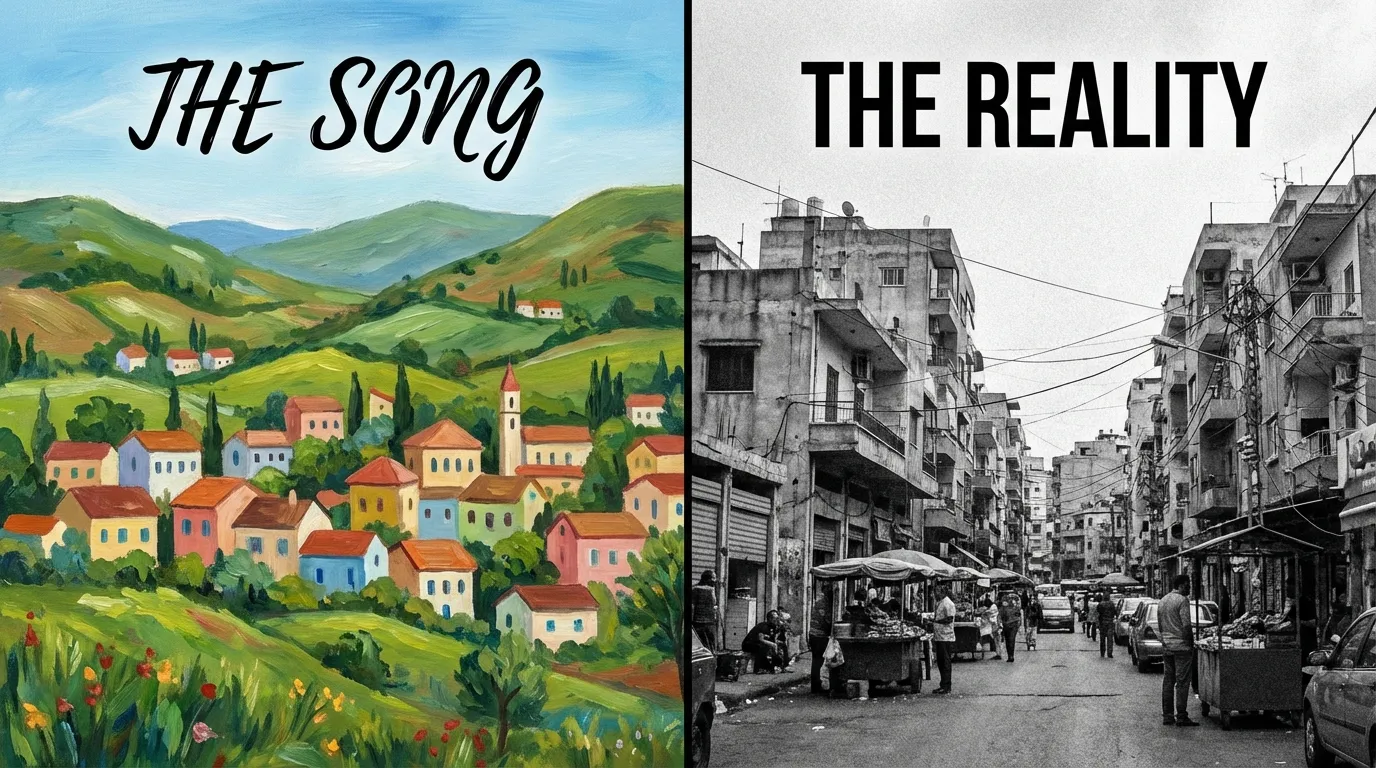
The Romanticized Past vs. Reality
There is a poignant irony in the Fairuz phenomenon: the contrast between the serenity of her lyrics and the turbulent history of the region. While her songs celebrate unity and peace, the streets where they are played have often been marred by conflict. This disconnect does not weaken her appeal; rather, it strengthens it.
Her voice offers an escape. When the reality of inflation, traffic, or political instability becomes overwhelming, the “Fairuzian” world offers a sanctuary. It is a daily suspension of disbelief where the listener can inhabit a world where the biggest worry is a lost love or a snowy winter.
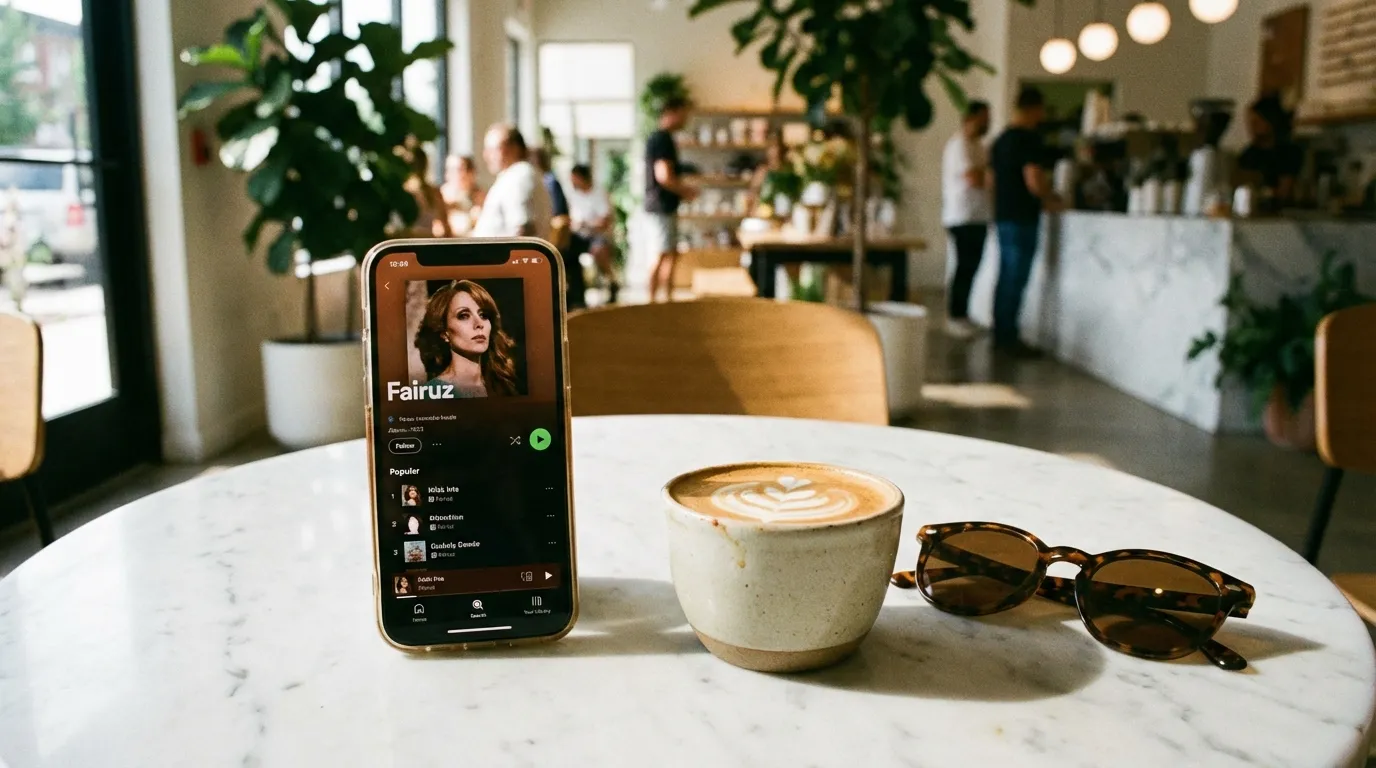
Digital Sabahiyat: How Social Media Preserves the Tradition
One might expect this tradition to fade with the younger generation, yet the digital age has only amplified it. “Digital Sabahiyat” is now a trend, with users sharing clips of her songs on Instagram and TikTok alongside their morning coffee photos. Streaming platforms have made her accessible to a global audience.
You can find curated playlists of Fairuz on Spotify that mimic the old radio schedules. Young graphic designers reimagine her album covers, and tweets quoting her lyrics go viral every morning. The medium has changed, but the message remains the same: the morning belongs to Fairuz.
Conclusion: The Soundtrack of Arab Mornings
Fairuz is more than a singer; she is the collective mood of a region. Whether on a crackling transistor radio in a Damascus souk or a high-fidelity headset in Dubai, her voice signals the start of the day.
In a fast-changing world, the Sabahiyat ritual remains a constant comfort. It is a quiet promise that no matter how dark the night was, the sun will rise, the coffee will brew, and Fairuz will sing.