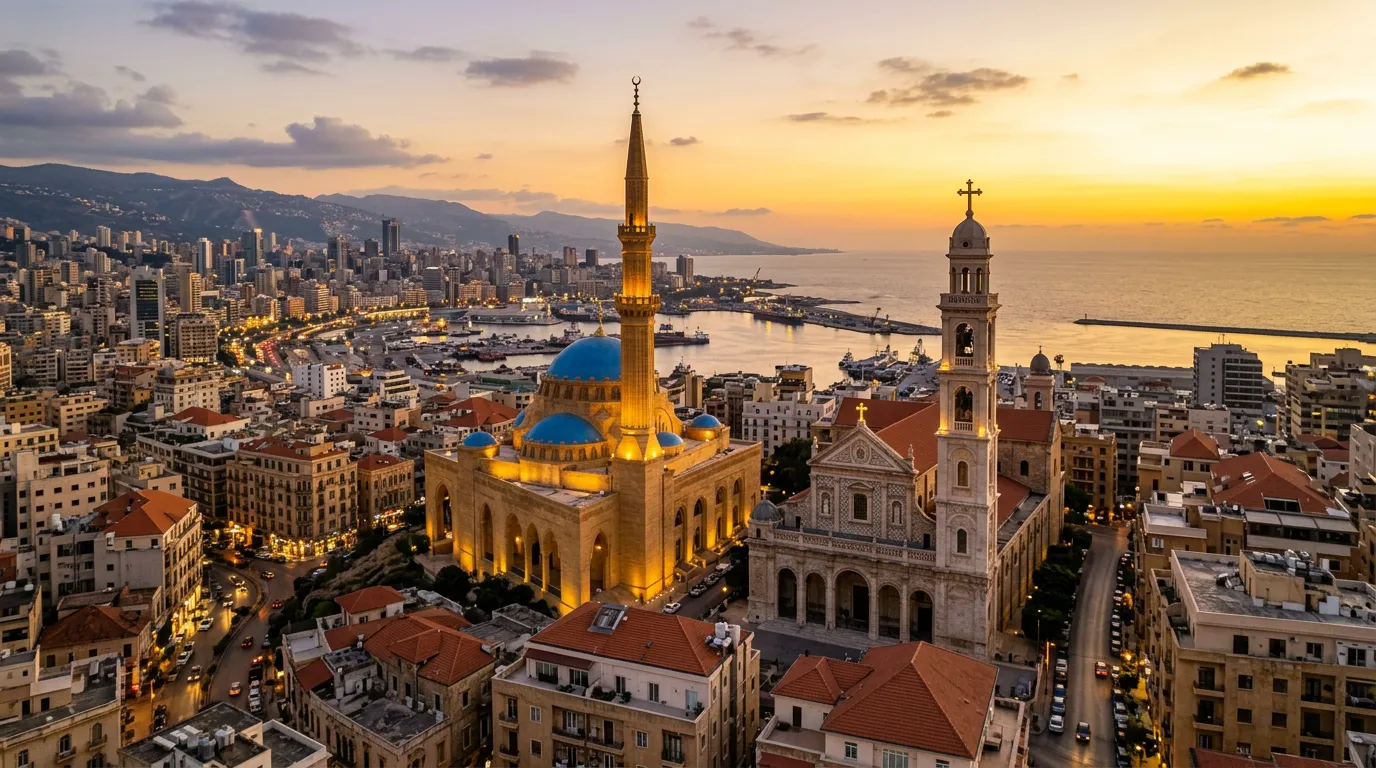

Introduction: The Magic of Lebanese Cuisine
Think of Lebanese food as a vibrant celebration. It’s a wildly colorful mashup of straight-from-the-earth ingredients, unapologetic spice profiles, and age-old culinary rituals. Healthy eating meets knock-out flavor. Truly.
Garlic-laced dips. Charred, smoky meats. Look closely, and you’ll see every single plate whispering a tale of hardcore hospitality. The entire playbook hinges on a few rock-solid staples: glugs of good olive oil, fistfuls of fresh herbs, sharp bursts of lemon, and hearty grains.
Want to really get the vibe? As Lebanese cuisine – Wikipedia correctly points out, the core philosophy is simple: abundance. And sharing it. So, let’s dig into 15 absolute standout dishes that give this jaw-dropping food culture its pulse.
The Mezze Culture: Small Plates, Big Flavors
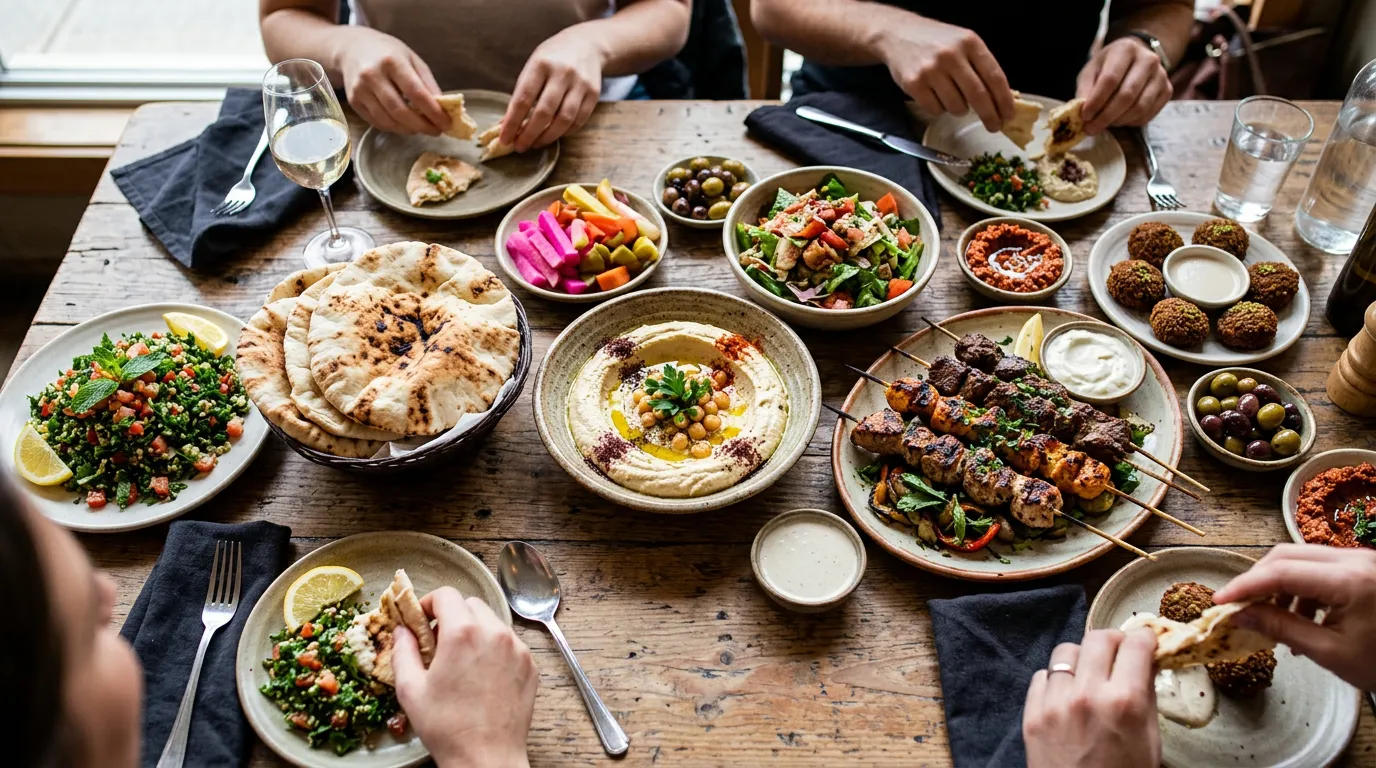
Mezze is, without a doubt, the pinnacle Lebanese dining experience. We’re talking a sprawling mosaic of tiny, punch-packing plates explicitly designed to be passed around. It essentially rolls out the red carpet for a proper feast.
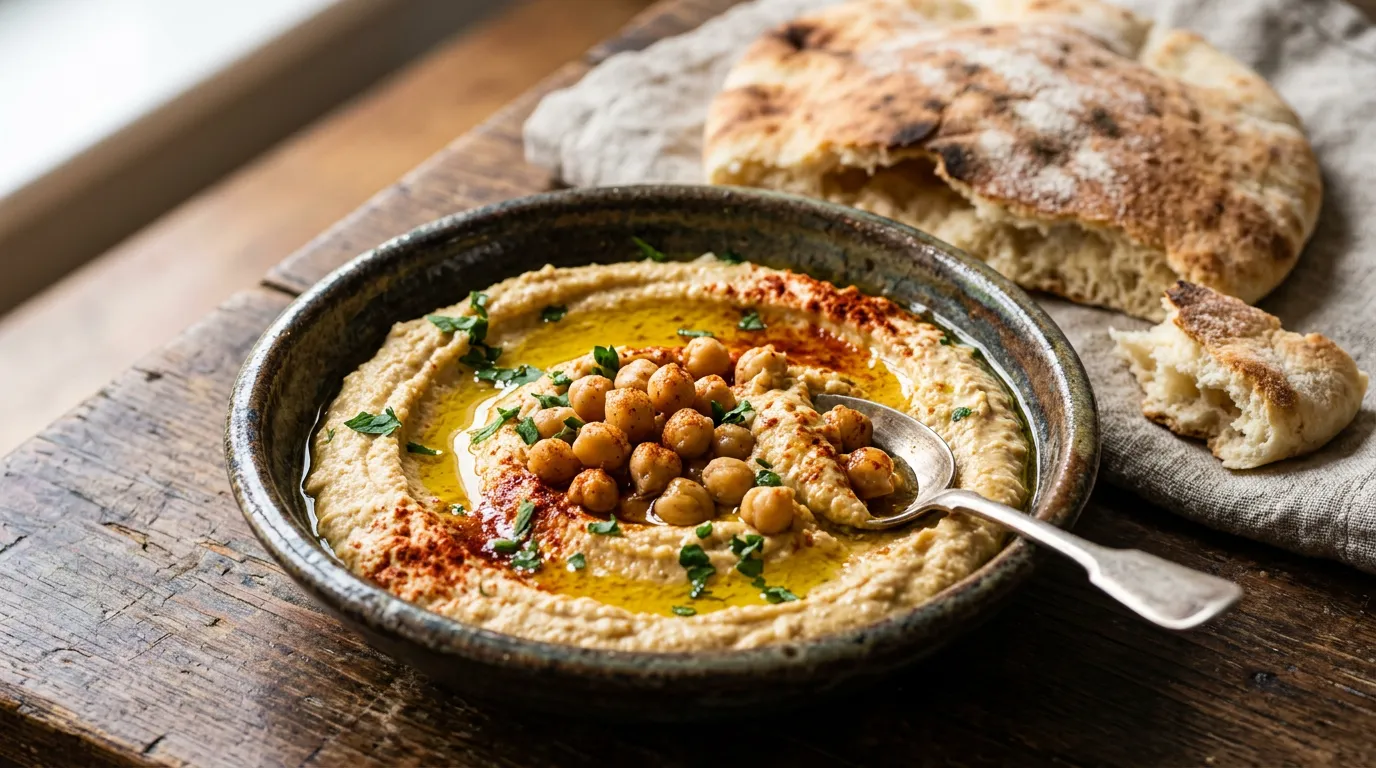
- Hummus: A velvety blitz of chickpeas, tahini, garlic, and citrus.
- Baba Ghanoush: Fire-roasted, smoky eggplant mashed up with olive oil and nutty sesame paste.
- Muhammara: Red peppers and walnuts, roasted down into a dip that rides the line perfectly between sweet and fiery.
You don’t use forks for these. You use bread. Specifically, piping-hot, cloud-like pita. Honestly? Tearing bread and passing dips is just the ultimate way to launch a food marathon.
Fresh and Zesty Salads: Tabbouleh vs. Fattoush
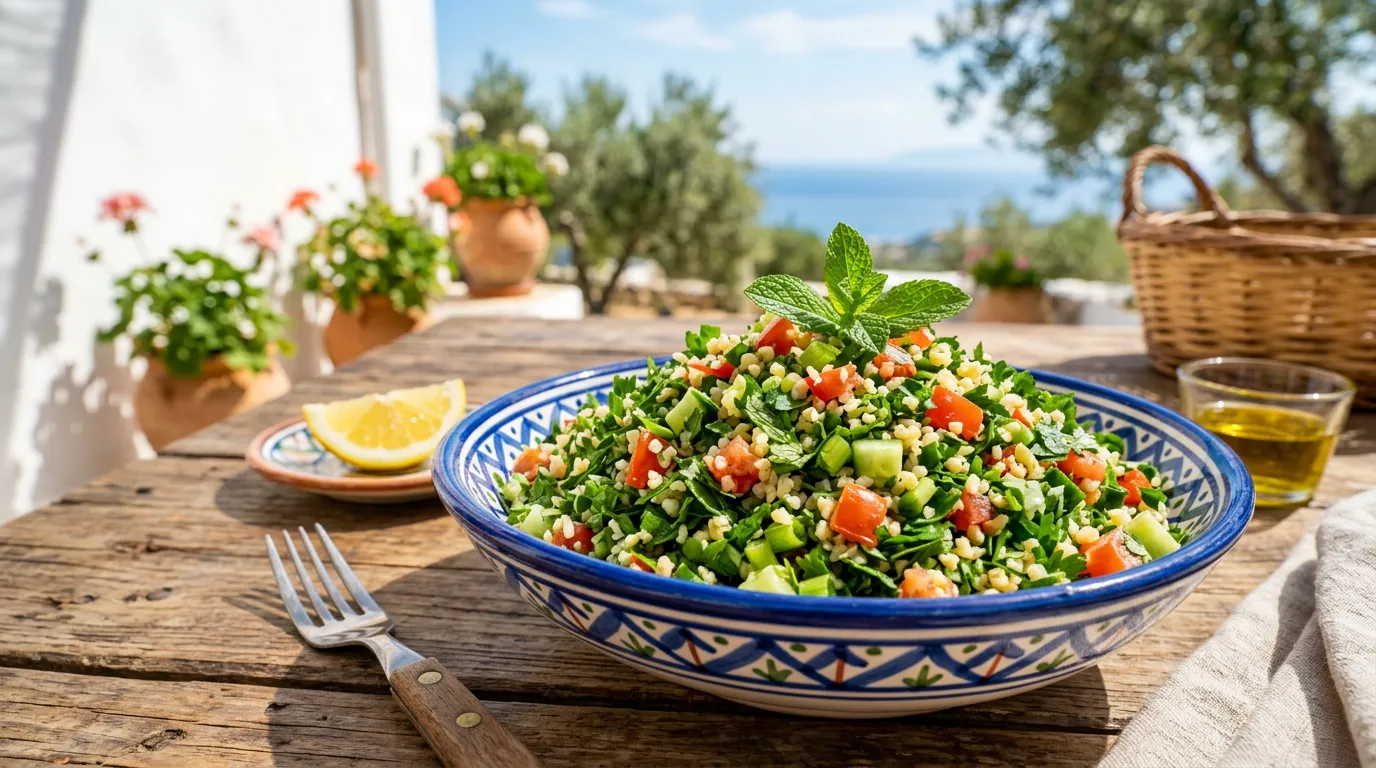
You simply can’t do a Lebanese spread without something bright and herbaceous to slice right through all that savory richness. Enter Tabbouleh and Fattoush. The undisputed heavyweights of the salad course.
Tabbouleh is practically a masterclass in parsley. It’s densely packed with finely minced greens, mint, diced tomatoes, and just a whisper of bulgur wheat for texture. The dressing? Extra virgin olive oil and fresh lemon. No fuss. Pure zing.
Fattoush takes a different route entirely. It’s a jumble of crunchy mixed greens hiding golden, shatteringly crisp squares of fried pita. But the secret weapon is the dressing. That dark, sticky pomegranate molasses gives Fattoush a tart, lip-smacking tang you won’t easily forget.
Hearty Mains: Kibbeh, Kafta, and Shish Taouk
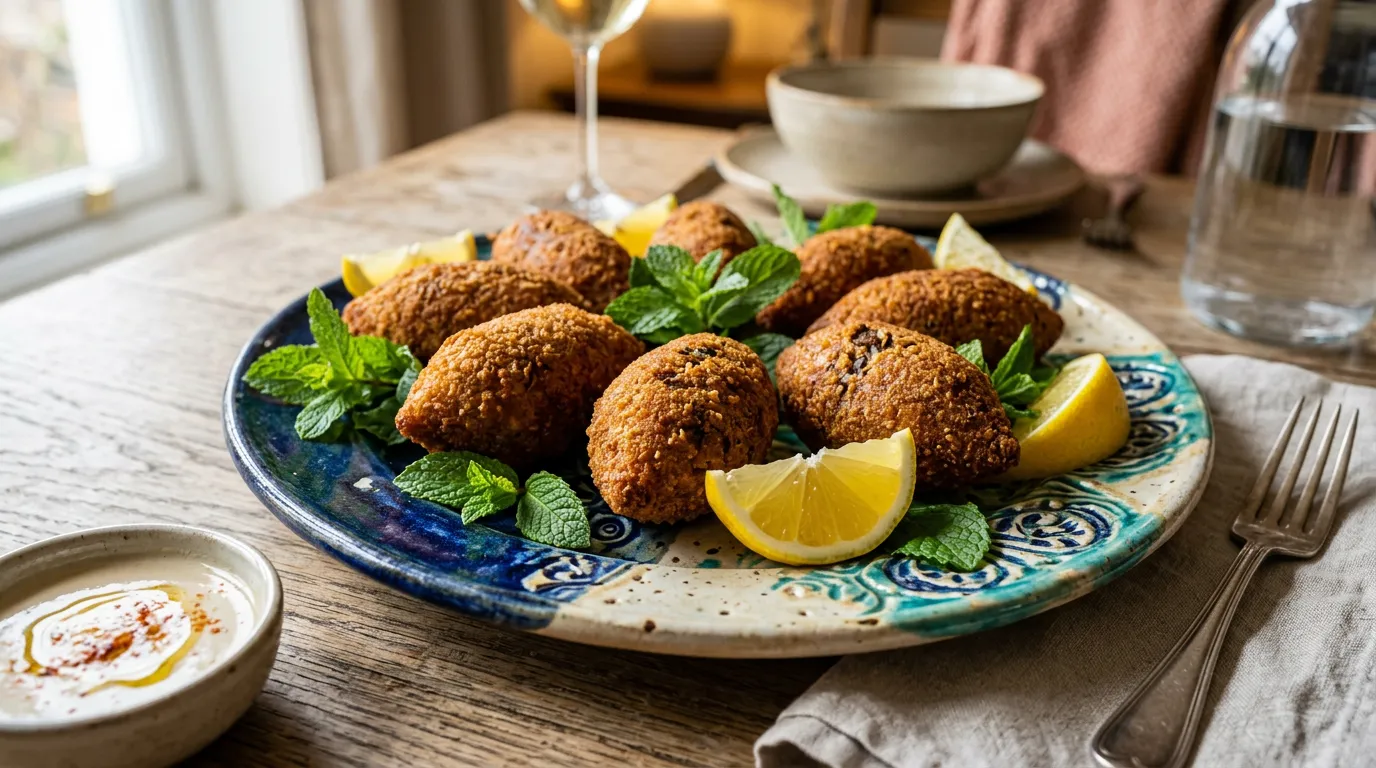
When it comes to the main event, Lebanese chefs don’t mess around. They lean heavily on aggressive marinades and serious fire-roasting skills. The result? Humble cuts of meat morphed into meltingly tender, show-stealing centerpieces.
Take Kibbeh, for instance. Most folks peg it as Lebanon’s national dish. It’s an earthy, savory mash-up of blitzed meat, cracked wheat, and toasted pine nuts. Fry it into torpedoes, bake it in a tray, or even serve it raw (kibbeh nayyeh). It just works.
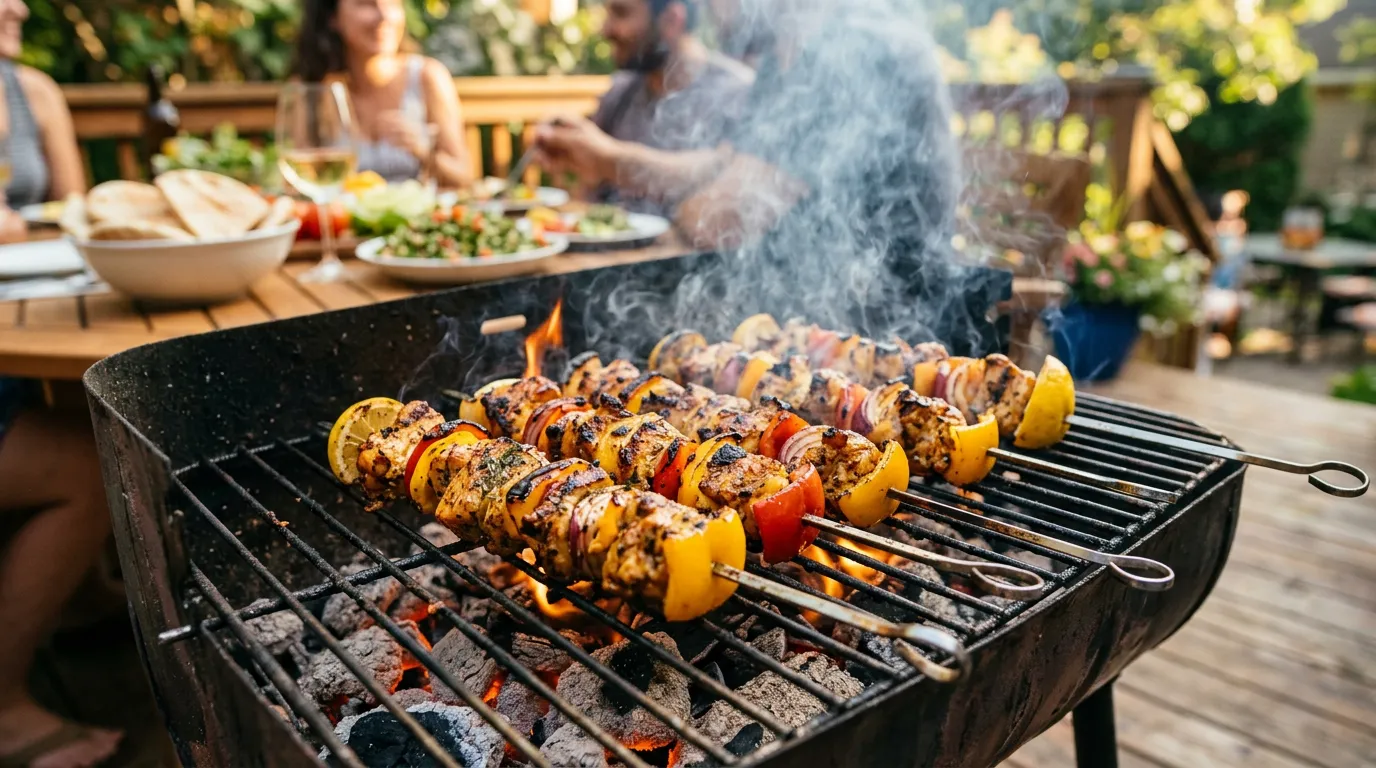
Then there’s Kafta. Picture finely minced beef or lamb, heavily laced with chopped parsley, onions, and warm spices, coaxed onto metal skewers. Hit it with some high heat until charred, and plate it over buttery vermicelli rice. Heaven.
Shish Taouk brings poultry to the party. We’re talking chunks of chicken plunged into a yogurt, garlic, and lemon bath until outrageously soft. The Guide to Traditional Lebanese Cuisine – MasterClass rightly flags this gem as the non-negotiable anchor of any solid backyard grill session.
Lebanese Street Food: Shawarma, Falafel, and Manakish
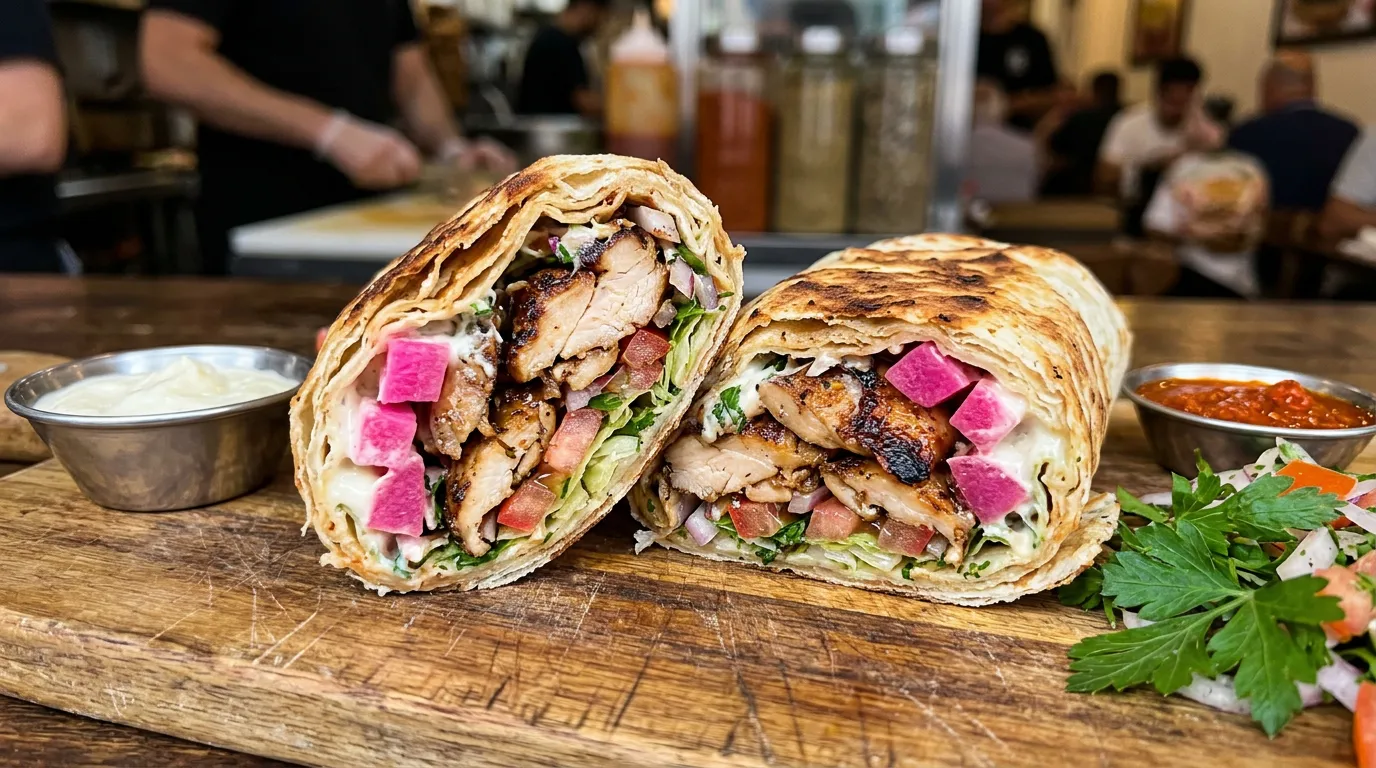
Need something fast? Lebanese street food delivers. Big time. These quick, deeply comforting, grab-and-go bites have pretty much conquered the globe for good reason.
Shawarma is legendary. Wafer-thin ribbons of aggressively spiced meat, slowly roasting on a rotating spit. The vendor carves off the crispy, fat-soaked edges, tucks them into a wrap, and slathers the whole thing with fierce garlic whip or drippy tahini.
Falafel operates on a different wavelength entirely. These fritters—born of soaked chickpeas and fava beans—get plunged into hot oil until they develop a downright brutal crunch. Break one open, though? Steaming, vibrantly green, herb-packed fluff.
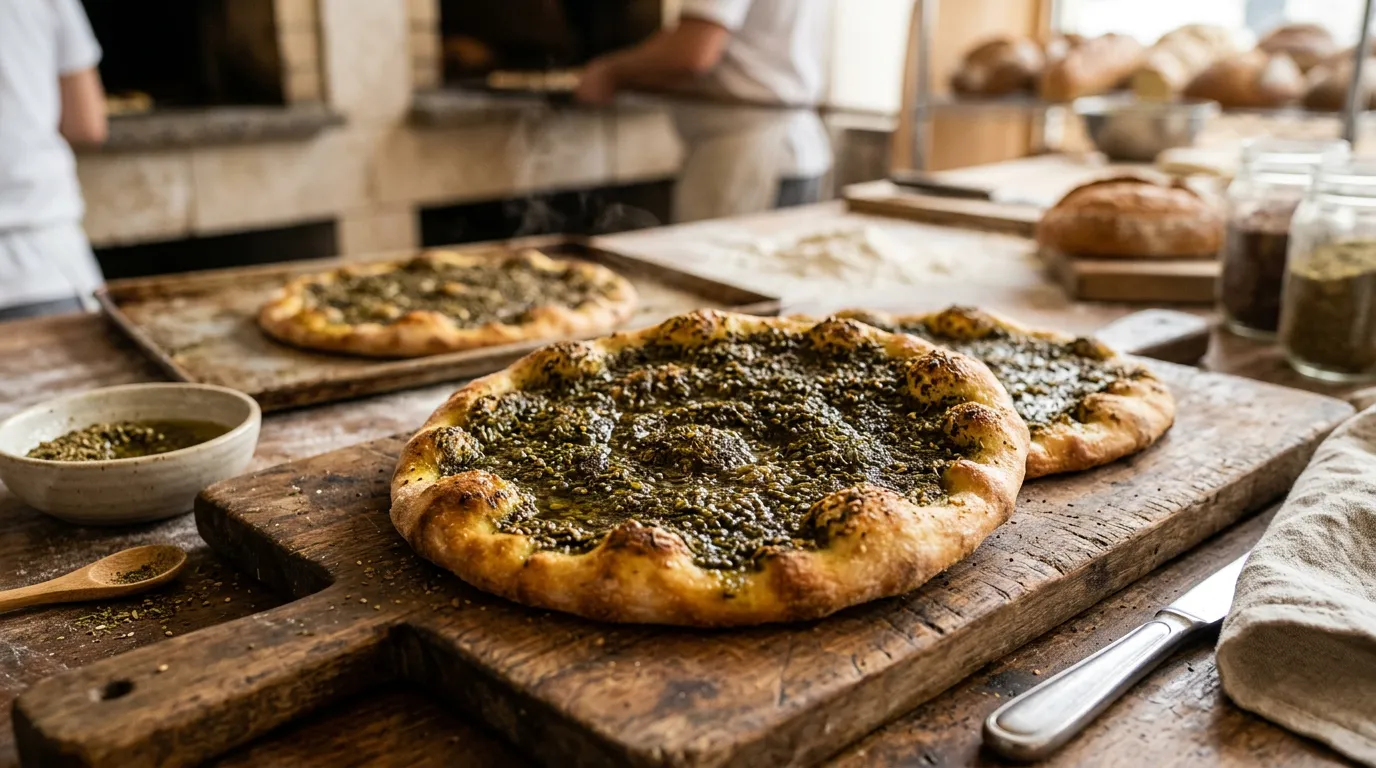
And let’s not overlook Manakish. It’s basically the Lebanese riposte to pizza, though locals usually crush it for breakfast. A pliable dough disc is painted with a thick slurry of olive oil and earthy, tangy zaatar, then fired until the crust blisters.
Sweet Endings: Baklava, Knefeh, and Lebanese Coffee
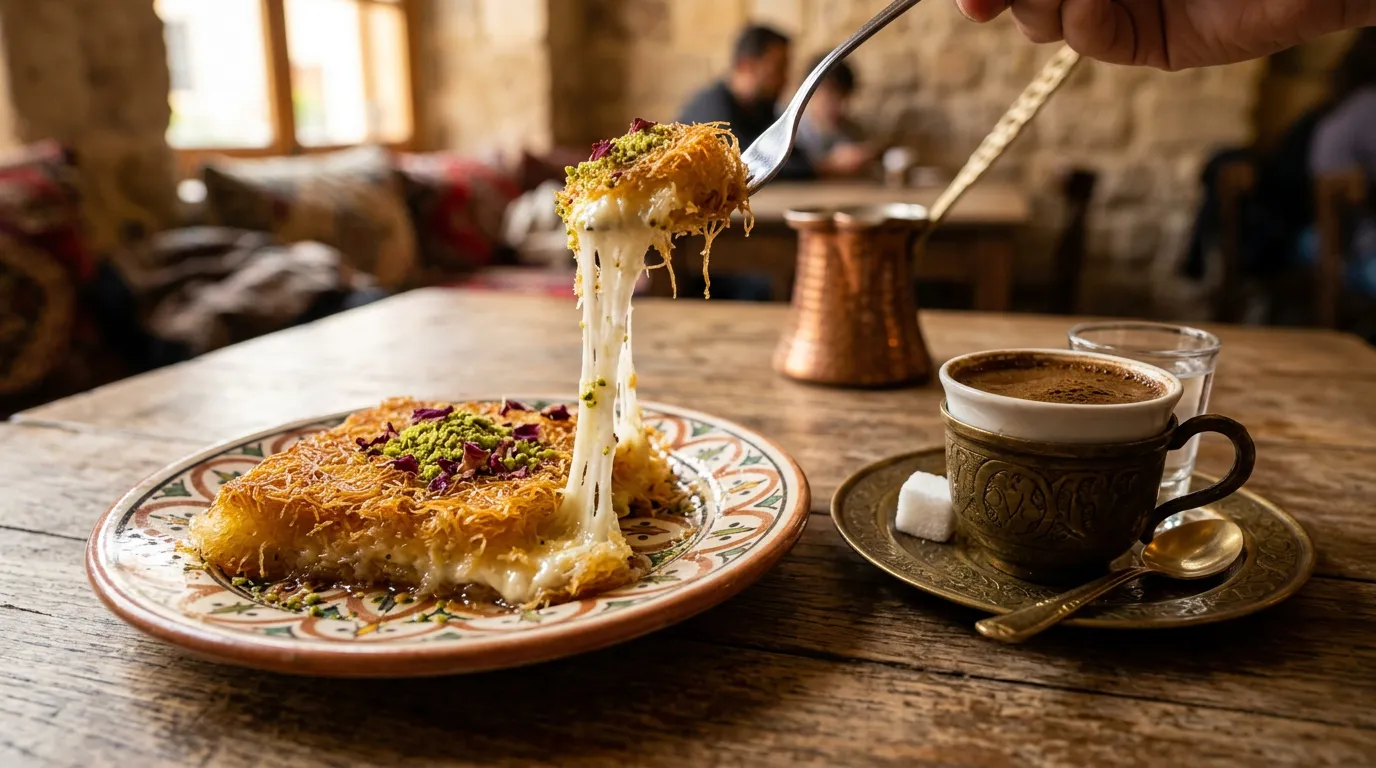
Dessert time. Here, pastry chefs perform actual alchemy using toasted nuts, impossibly thin dough, and syrups scented with flower waters. It is the absolute ideal sweet conclusion to a heavy, savory marathon.
- Baklava: Tissue-thin sheets of crackling phyllo, hoarding rich pockets of crushed nuts, all swimming in fragrant orange blossom syrup.
- Knefeh: Molten, elastic cheese hiding under a golden, buttery semolina cap. Drowned in syrup. Pro tip: eat it shoved inside a soft sesame bun for breakfast. Yes, really.
That much sugar demands a counterpunch. Enter: strong, muddy Lebanese coffee. Brewed unfiltered and typically spiked with aromatic cardamom, a tiny cup of this stuff is the definitive, stomach-settling ritual after eating your body weight in garlic and lamb.
Conclusion: How to Order at a Lebanese Restaurant
Navigating a Lebanese menu? It’s a strategic game of maximizing variety while balancing the heavy with the fresh. Rule number one: blanket the table in cold and hot mezze. Go wild.
Once the dips and salads clear out, pivot to the mixed grill. That way, the whole crew gets to sample a little bit of every skewer. And a golden rule to live by? Order way, way more pita bread than your brain tells you is necessary.
Above all else, slow down. Seriously. Lean into that legendary Mediterranean hospitality. A true Lebanese meal isn’t a race; it’s a loud, drawn-out, hours-long event specifically engineered to be enjoyed alongside your family and beloved friends.