
The Ultimate Collection of Arabic Birthday Wishes for Every Relationship
Celebrating a birthday in Arab culture is about more than just cake and candles; it is an expression of deep affection, hospitality, and blessings for the future. Whether you are greeting a lifelong friend, a respected elder, or a romantic partner, using the right Arabic phrase can bridge cultural gaps and show genuine care.
From the standard “Eid Milad Saeed” to heartfelt prayers (Duas), this guide covers the essential greetings you need to celebrate with fluency and flair.
The Classics: Standard Arabic Birthday Greetings
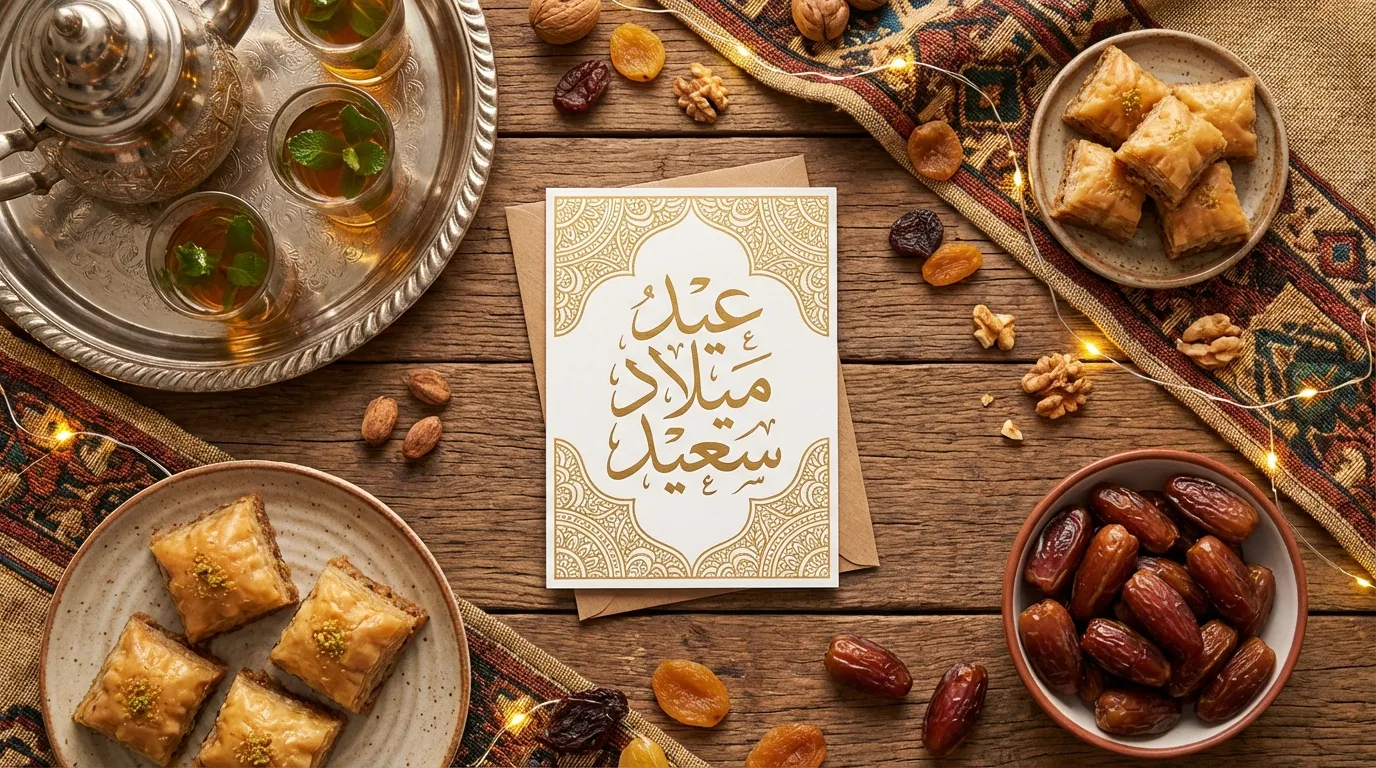
The most universal way to say “Happy Birthday” in Arabic is “Eid Milad Saeed” (عيد ميلاد سعيد), which directly translates to “Happy Birthday Festival.”
However, if you want to sound like a native speaker, you should learn the phrase “Kul Aam Wa Anta Bi Khair” (كل عام وأنت بخير). This translates to “May you be well every year.” It is a versatile greeting used not only for birthdays but also for Eid and the New Year. It signifies a wish for enduring health and prosperity throughout the celebrant’s life.
Understanding these nuances is key. For a deeper dive into the cultural context behind these phrases, check out this guide on Happy Birthday in Arabic: Key Phrases & Cultural Context.
Romantic Wishes for Spouses: Habibi and Omri
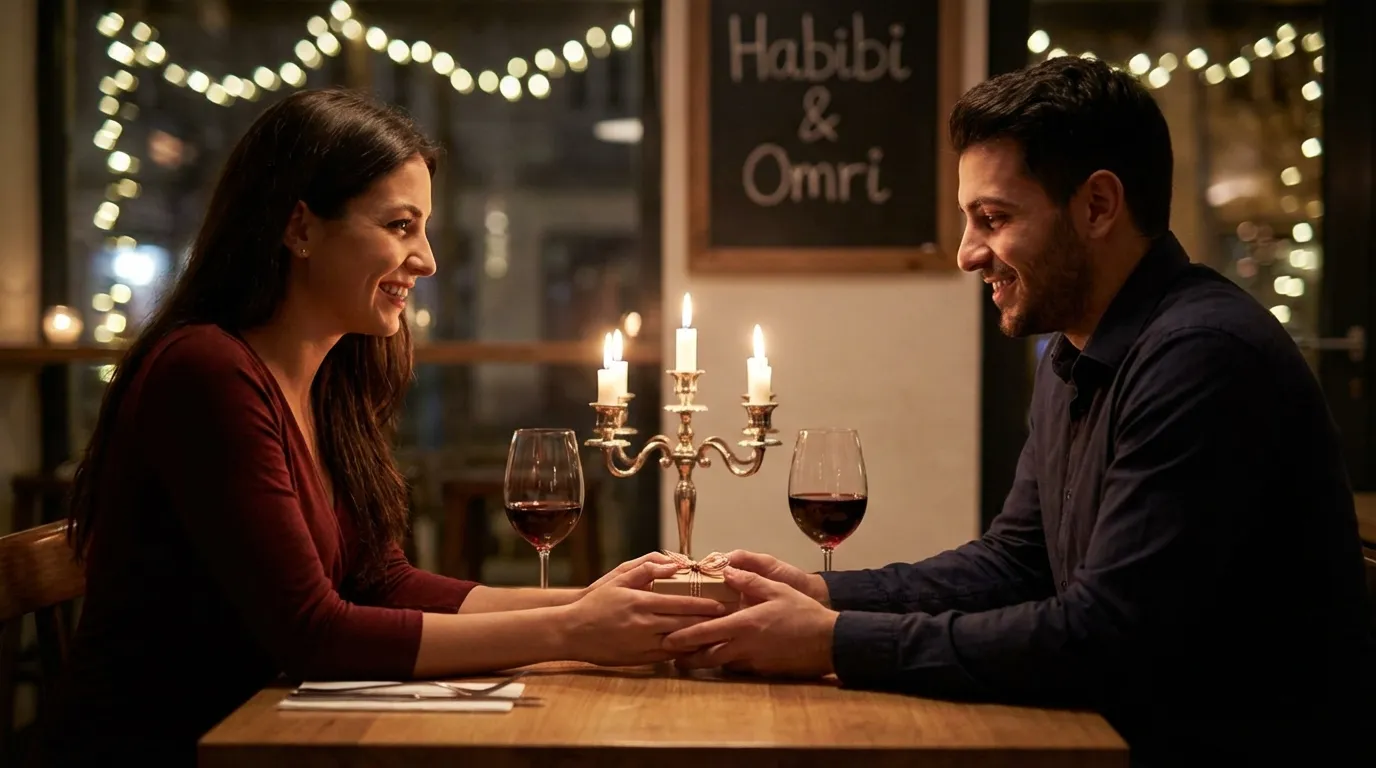
When wishing a partner a happy birthday, standard greetings often feel too formal. In Arabic, romance is conveyed through possessive terms of endearment that equate the loved one to life itself.
For Him
“Eid Milad Saeed Ya Habibi” (Happy Birthday, my love). You can also add “Ya Rouhi” (My soul) to deepen the sentiment.
For Her
“Eid Milad Saeed Ya Habibti” (Happy Birthday, my love). A beautiful variation is “Ya Omri” (My life), suggesting that your life is defined by her existence.
These phrases turn a simple greeting into a declaration of love, making the occasion unforgettable.
Family First: Respectful Greetings for Parents and Elders
Respect for elders is the cornerstone of Arab family dynamics. When greeting parents or grandparents, wishes often take the form of Duas (prayers) asking God to prolong their lives and health.
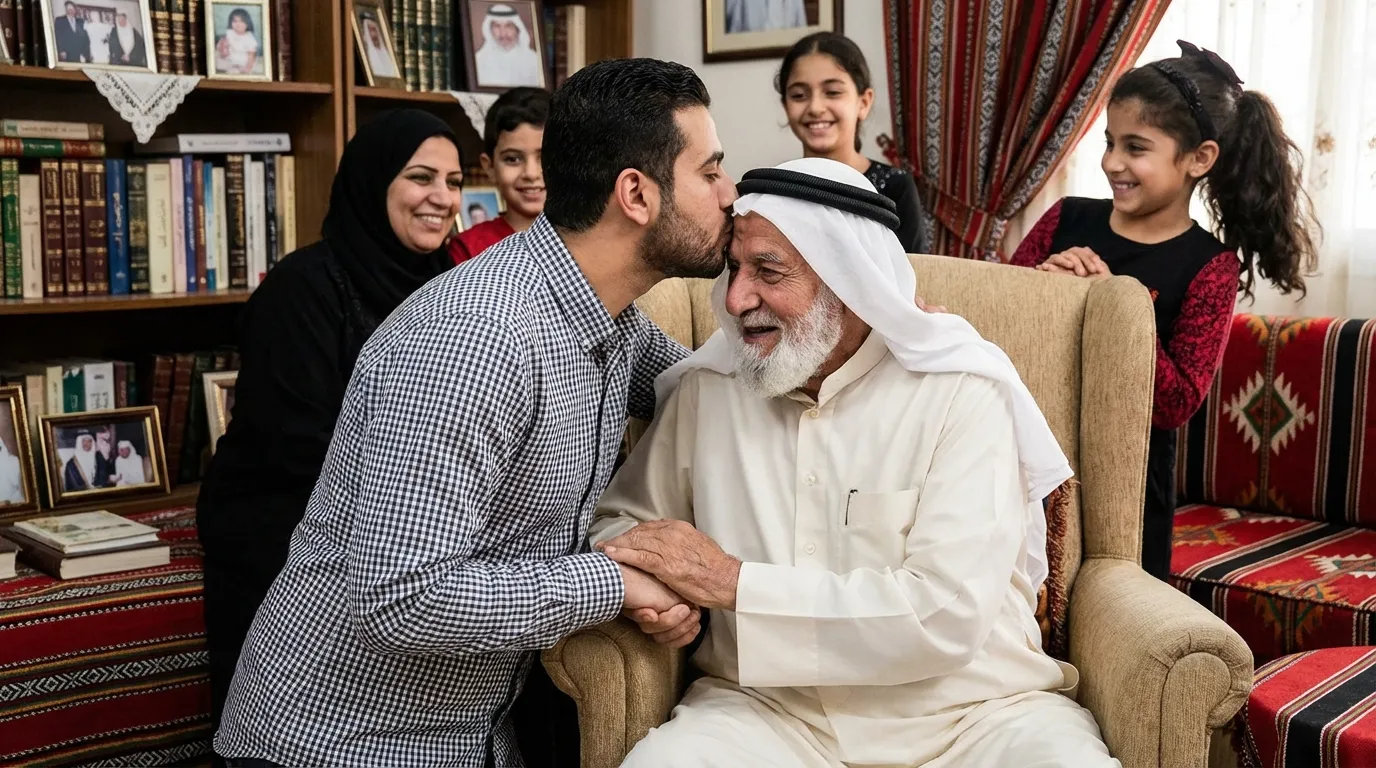
A common and deeply respectful wish is “Allah Yatawal f’Omrak” (May God lengthen your life/age). Another beautiful phrase is “Rabbi Yakhaleek Leena” (May God keep you for us).
For those looking to include spiritual blessings in their messages, this collection of 100 Heartfelt Islamic Birthday Wishes (With Duas) provides excellent options that align with Islamic values and family respect.
Fun & Casual: Slang and Sweet Wishes for Best Friends
With friends, you can drop the formalities and have fun with the language. The vibe is often energetic, musical, and lighthearted.
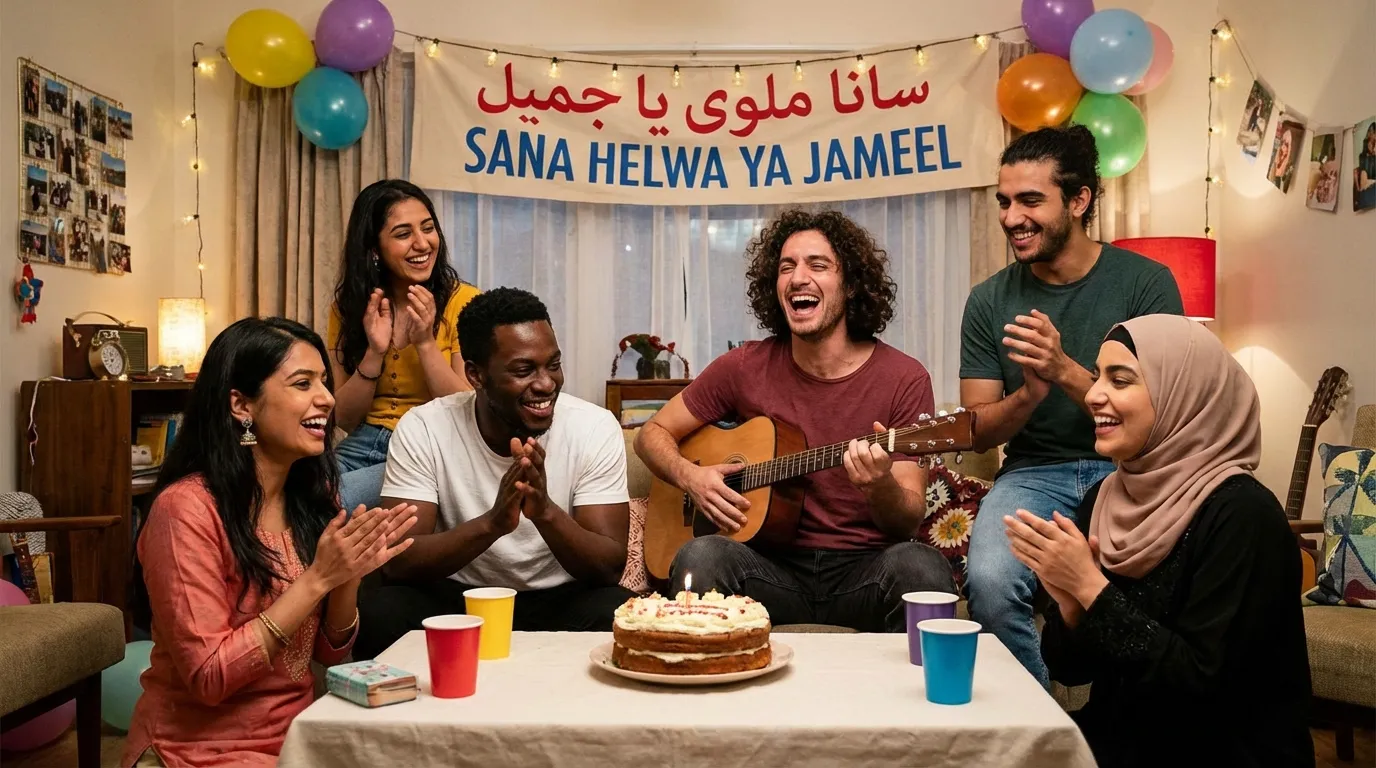
A popular song lyric often spoken as a wish is “Sana Helwa Ya Jameel” (A sweet year, beautiful one). It is the Arabic equivalent of “Happy Birthday to You” and is often sung while cutting the cake.
In different dialects, greetings change slightly. For example, in the Levantine dialect, you might hear “Oqbal El Miyet Saneh” (May you live to be 100 years old). Learning these regional differences can impress your friends. You can listen to the pronunciation of these variations in this article on How to Say Happy Birthday in Arabic (Dialects & Audio).
Writing It Down: How to Write Happy Birthday in Arabic Script
Sending a card or a text message? Seeing the script adds a special touch to your gift. Here is how the main phrases look in written Arabic.
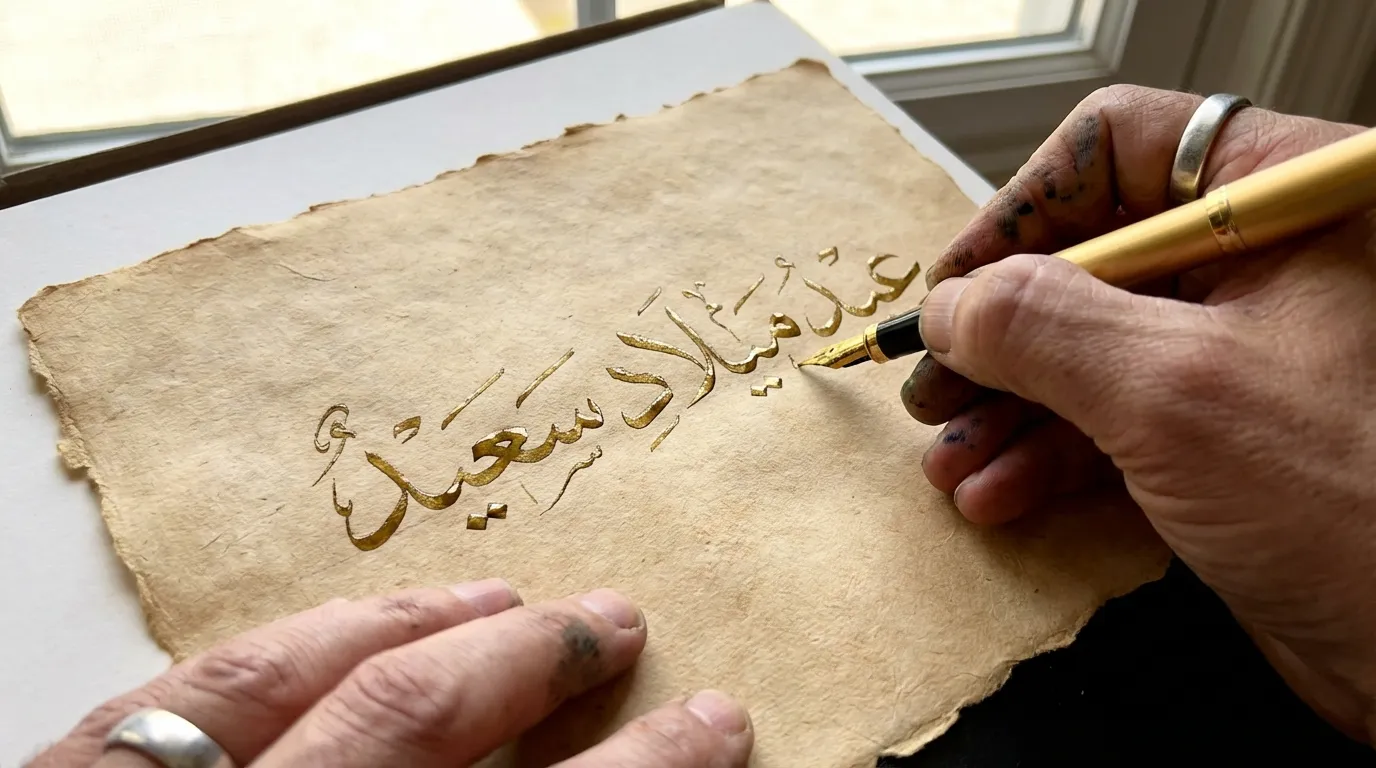
- Happy Birthday: عيد ميلاد سعيد
- May you be well every year: كل عام وأنت بخير
- Happy Birthday My Love (Male): عيد ميلاد سعيد يا حبيبي
- Happy Birthday My Love (Female): عيد ميلاد سعيد يا حبيبتي
Writing these out, even phonetically, shows a level of effort that will surely be appreciated by the recipient.